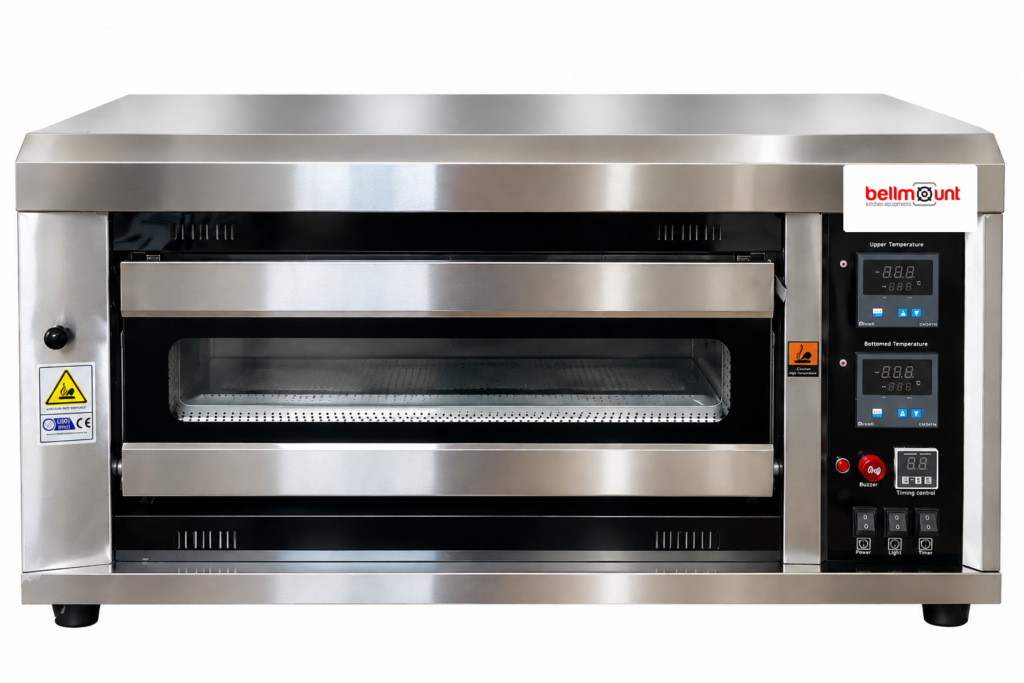
Starting a home baking business is an exciting opportunity for anyone who loves baking and wants to turn that passion into a source of income. Whether you bake cakes, cookies, breads, pastries or other baked products, choosing the right oven is one of the most important decisions for your business.
The right oven can help you maintain consistent baking results, manage multiple orders efficiently and improve your overall productivity. However, with different oven types, capacities, heating systems and features available, selecting the right model can be challenging.
In this guide, we will explain how to choose the best oven for a home baking business by comparing oven types, capacity, operating costs and important features.
Understand Your Baking Requirements
Before purchasing an oven, identify the products you plan to bake and the quantity you expect to produce each day.
For example, a baker who mainly prepares birthday cakes may have different requirements from someone who regularly bakes bread, cookies, pastries or multiple cake orders.
Consider the following questions:
- What products will you bake most frequently?
- How many orders do you expect per day?
- What tray sizes and quantities do you need?
- How many batches will you need to bake?
- How much space is available in your kitchen?
Understanding these requirements will help you choose an oven that suits your actual workload rather than buying equipment that is either too small or unnecessarily large.
Choose the Right Type of Oven
Different ovens are designed for different baking requirements. Two common options to consider are deck ovens and convection ovens.
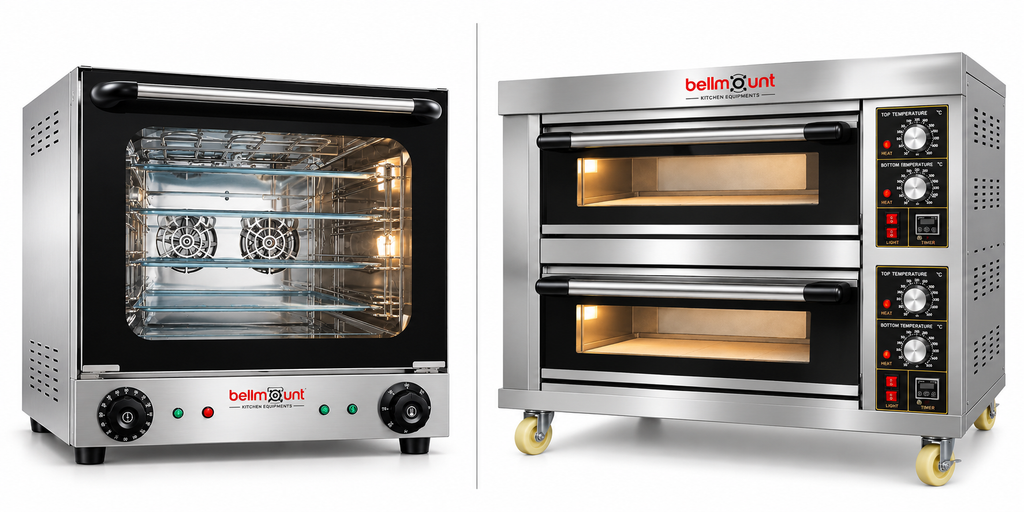
Convection Oven
A deck oven is commonly used in commercial baking environments. It can be suitable for businesses that need a dedicated baking setup for products such as cakes, bread and other baked goods, depending on the model and its specifications.
Deck ovens are available in different configurations, including single-deck, double-deck and triple-deck models. The right configuration depends on your production requirements, available kitchen space and budget.
Before choosing a deck oven, check its usable baking area, tray configuration, temperature range, heating system and installation requirements.
Deck Oven
A convection oven uses a fan to circulate hot air inside the baking chamber. This circulation can help distribute heat more evenly, depending on the oven design and the products being baked.
Convection ovens may be suitable for cookies, pastries and other products that benefit from circulating hot air. However, the best choice depends on the recipes you use, the quantity you produce and the results you expect.
Before making a decision, compare the actual specifications of the available models rather than relying on the oven type alone.
Understand Oven Capacity and Tray Configuration
Capacity is an important factor when selecting an oven for a home baking business.
An oven with insufficient capacity may require more batches and increase preparation time. On the other hand, purchasing a larger oven than you need may increase the initial investment and use more kitchen space.
When comparing ovens, check:
- The internal baking chamber dimensions
- The number and size of trays supported
- The distance between trays
- The number of baking batches you expect to prepare
- The space required for installation and ventilation
Remember that the number of decks and the number of trays are not the same thing. A deck refers to a separate baking chamber or level, while tray capacity depends on the specific model and its design.
Always confirm the manufacturer’s specifications before purchasing.
Gas Oven vs Electric Oven: Which Is Better?
Commercial ovens are available with different heating systems, including gas and electric options. Both can be suitable for a baking business, depending on the equipment and the working environment.
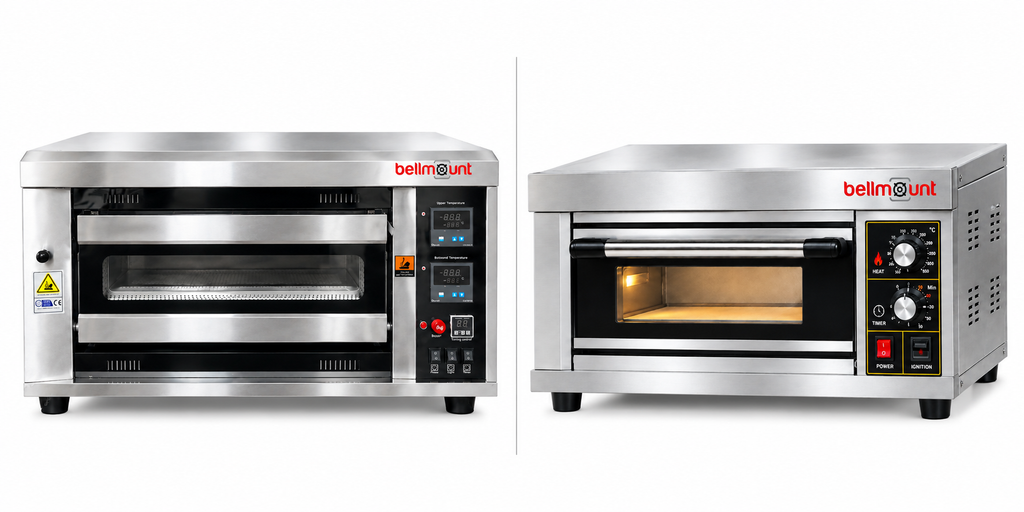
Gas Oven
A gas oven may be worth considering if your kitchen has a suitable gas supply and the installation meets the manufacturer’s safety requirements.
Before choosing a gas model, consider gas availability, ventilation, installation arrangements, operating costs and the support available for maintenance.
Electric Oven
An electric oven may be suitable for businesses that prefer electric heating and have the necessary electrical supply.
Before purchasing, check the required voltage, power rating, wiring requirements and whether your kitchen can safely support the equipment.
How Should You Decide?
Do not compare gas and electric ovens only by their purchase price. Consider the complete operating requirements, including energy costs, installation, maintenance, baking performance and service availability.
The most suitable option is the one that matches your kitchen facilities, production needs and budget.
Check Temperature Control and Baking Consistency
Consistent baking results are important for customer satisfaction. Cakes, cookies, breads and pastries may require different temperatures and baking times.
When comparing ovens, check the available temperature range, temperature adjustment system and the manufacturer’s guidance on temperature consistency.
Also consider how easily you can monitor and adjust the temperature during daily use.
Choosing an oven that suits your recipes and production process can help you work more confidently and maintain consistent product quality.
Consider Your Budget and Operating Costs
Your oven budget should include more than the purchase price.
Consider the following expenses before making a decision:
- Initial equipment cost
- Installation and setup
- Gas or electricity consumption
- Routine cleaning and maintenance
- Repairs and replacement parts
- Available warranty and after-sales support
A lower-priced oven may not always be the most economical option over time. Compare the specifications, expected workload, service support and operating requirements of each model.
Choose equipment that offers the right balance between affordability, performance and long-term usability.
Choose an Oven That Supports Business Growth
Many home baking businesses start with a limited number of orders and gradually expand as customer demand increases.
If you expect your business to grow, consider whether your chosen oven can support your future production requirements. Depending on your budget and kitchen space, a larger-capacity oven or a multi-deck configuration may be worth considering.
However, buying the largest oven available is not always necessary. Select a model based on your current workload, realistic growth plans and available facilities.
A well-planned purchase can help you avoid upgrading too soon while ensuring that your equipment remains suitable for your business.
Why After-Sales Support Matters
An oven is an important piece of equipment in a baking business. Unexpected downtime can affect order preparation and delivery schedules.
Before purchasing, ask about installation assistance, warranty terms, maintenance support, spare parts availability and guidance on using the equipment.
Bellmount Kitchen Equipments serves customers across Kerala and offers equipment guidance, installation support, warranty options and after-sales service. Customers can discuss their baking requirements to identify equipment that suits their business needs.
Always confirm the specific warranty coverage, installation arrangements and service terms for the model you plan to purchase.
Other Equipment to Consider for Your Baking Business
An oven is only one part of a baking setup. Depending on your products and production volume, you may also need:
- Planetary mixer: Useful for mixing a range of baking ingredients, depending on the attachment and model.
- Stand Mixer : Suitable for smaller mixing tasks, depending on the model and attachments.
- Other preparation equipment: Select additional equipment based on your menu, workflow and available space.
You do not need to purchase every piece of equipment immediately. Start with the essentials for your products and expand your setup as your business grows.
Frequently Asked Questions
What is the best oven for a home baking business?
The best oven depends on the products you bake, your daily order volume, available space, budget and preferred heating system. Compare the specifications of different models before deciding.
Is a deck oven suitable for a home baking business?
A deck oven can be suitable for a home baking business that requires dedicated baking capacity. Check the oven’s dimensions, tray configuration, power or gas requirements and installation needs to ensure it suits your kitchen.
Should I choose a gas oven or an electric oven?
Both options can be suitable. Consider your available utilities, installation requirements, energy costs, maintenance needs and the oven’s baking performance before choosing.
How much oven capacity do I need for a small baking business?
Capacity depends on the quantity and type of products you prepare. Estimate your daily orders, tray requirements and number of baking batches before comparing oven sizes.
What should I check before buying a commercial oven?
Check the oven type, usable capacity, tray configuration, temperature range, heating system, installation requirements, warranty terms and after-sales support.
Is after-sales service important when buying a bakery oven?
Yes. Installation guidance, maintenance support, spare parts availability and clear warranty terms can help reduce disruption to your baking business.
Conclusion
Choosing the best oven for a home baking business requires careful consideration of your baking requirements, production capacity, kitchen space, budget and future plans.
Compare oven types, understand the difference between decks and trays, and check the actual specifications of each model before making a purchase. It is also important to consider installation, warranty coverage and after-sales support.
Bellmount Kitchen Equipments can help customers across Kerala explore commercial kitchen equipment options according to their requirements. By selecting equipment that matches your needs, you can build a more practical and efficient baking setup for your business.